Hakone One Day Itinerary: 2026 Mt. Fuji Guide
|
posted by WANGKIRA

Planning a one day trip to Hakone from Tokyo is a popular way to experience hot springs, Lake Ashi, volcanic scenery, and views of Mt. Fuji without staying overnight.
This 2026 guide combines the main highlights of Hakone and the Mt. Fuji area in one day. The route starts with Lake Ashi and the Hakone Ropeway, continues through Owakudani, and then heads to Oshino Hakkai and Arakurayama Sengen Park for some of the most recognizable views of Mt. Fuji.
Related guides:
Can You See Mt Fuji from Hakone?
The 1-Day Hakone & Mt. Fuji Route
-
08:00 AM: Depart Tokyo/Shinjuku.
-
Morning: Lake Ashi, Hakone Shrine area, and Hakone Pirate Ship.
-
Late Morning: Hakone Ropeway and Owakudani volcanic valley.
-
Afternoon: Travel toward the Mt. Fuji area and visit Oshino Hakkai.
-
Late Afternoon: Visit Arakurayama Sengen Park and Chureito Pagoda.
-
Evening: Return to Tokyo.

How to Get to Hakone from Tokyo
Getting from Tokyo to Hakone is straightforward, but visiting Hakone and the Mt. Fuji area on the same day is more complicated because the two sightseeing areas are separated by a significant distance.
-
The Romancecar (DIY): The Odakyu Romancecar connects Shinjuku with Hakone-Yumoto in about 90 minutes. It is convenient for reaching Hakone, but you will need additional local transportation to visit Lake Ashi, Owakudani, and other sights.
-
The Shinkansen: You can travel from Tokyo to Odawara by Shinkansen and continue into Hakone by local transportation. This can save time on the first part of the journey, but you still need to plan the Hakone sightseeing loop.
-
A Guided Day Tour: Combining Hakone with Oshino Hakkai and Arakurayama Sengen Park requires moving between Kanagawa and Yamanashi. A direct tour bus can reduce the number of train and bus connections and make it easier to fit all three areas into one day.

10:00 Lake Ashi and the Hakone Pirate Ship

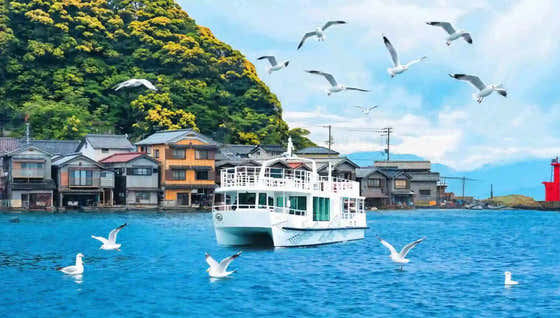
Your Hakone itinerary begins at Lake Ashi (Ashinoko), a crater lake in the Hakone area. The sightseeing cruise is operated by the Hakone Sightseeing Cruise, whose ships are designed in a distinctive pirate-ship style.

Depending on the route and weather, you may also have views of the Heiwa no Torii (Peace Torii) at Hakone Shrine. On clear days, Mt. Fuji may also be visible from the Lake Ashi area.
11:00 Hakone Ropeway: From Lake Ashi to Owakudani

After Lake Ashi, continue to the Hakone Ropeway. The ropeway crosses the volcanic landscape between Togendai, Ubako, Owakudani, and Sounzan, with Owakudani serving as one of the main stops.

On clear days, Mt. Fuji can be seen from sections of the ropeway. The view changes quickly with weather and cloud cover, so Fuji visibility is never guaranteed.
Related guide: Mt Fuji Visibility
11:30 Owakudani: Hakone's Volcanic Valley

The ropeway brings you to Owakudani, a volcanic area formed by the eruption of Mount Hakone. Steam and volcanic gases rise from the surrounding slopes, making this one of the most distinctive landscapes in Hakone.

The Black Eggs: Owakudani is also known for kuro-tamago, eggs cooked in the area's hot spring water. Their shells turn black during the cooking process. Local tradition says that eating one adds seven years to your life.
Safety Note: Volcanic gas levels can vary. Visitors who are sensitive to volcanic gases or have respiratory conditions should follow local safety instructions and avoid restricted areas when advised.
Want more volcanic facts? Read our guide on Things to Do in Hakone .
14:30 Oshino Hakkai: Traditional Village and Mt. Fuji Views
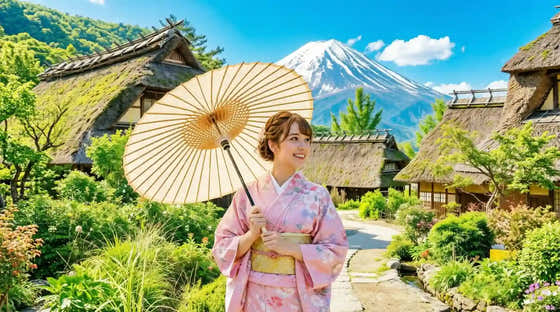
 Oshino Hakkai and Mount Fuji
After exploring Hakone, continue toward Yamanashi and the northern side of Mt. Fuji. Oshino Hakkai is a group of eight clear spring-fed ponds surrounded by traditional houses, small bridges, and views of Mt. Fuji.
The ponds are fed by underground water originating from Mt. Fuji, and the area is part of the wider Mt. Fuji World Heritage region. It is also one of the established viewpoints for seeing Mt. Fuji from the Fuji Five Lakes area.
Take some time to walk around the ponds, photograph the traditional thatched-roof buildings, and try local snacks before continuing to the next Mt. Fuji viewpoint.
Related guide: Best Places to See Mt Fuji
16:00 Arakurayama Sengen Park and Chureito Pagoda
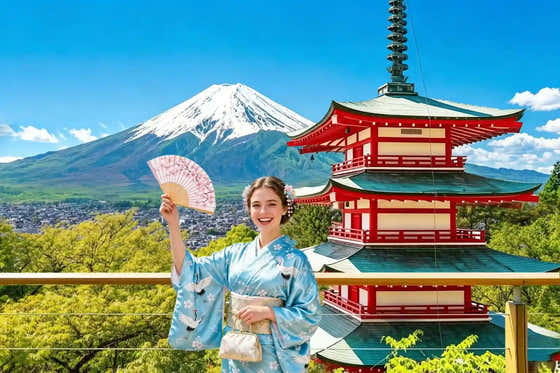
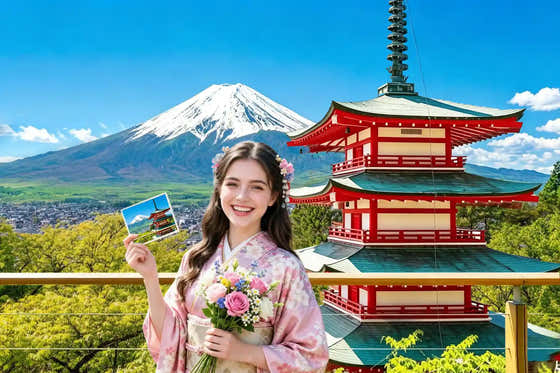
 Chureito Pagoda and Mount Fuji from Arakurayama Sengen Park
The final Mt. Fuji stop is Arakurayama Sengen Park in Fujiyoshida. The park is famous for its elevated view of Chureito Pagoda, Fujiyoshida city, and Mt. Fuji in the same frame.
To reach the main observation area, visitors climb approximately 398 steps. The climb takes some effort, but the viewpoint provides a completely different perspective from the lower-level views at Oshino Hakkai and Hakone.
The scenery changes throughout the year. Cherry blossoms are particularly well known in spring, while autumn foliage and snow-covered Mt. Fuji create different seasonal views.
The park is open year-round, although weather and seasonal conditions can affect the view. If Mt. Fuji is covered by clouds, you may see the pagoda and surrounding cityscape without the mountain in the background.
Planning a Fuji-focused trip? Check our Mt. Fuji Visibility Guide .
DIY vs. Guided Tour: Which Option Works Better?
| Feature | DIY | Guided Tour |
|---|---|---|
| Destinations | Flexible, but usually easier to focus on Hakone or the Fuji area | Hakone + Oshino Hakkai + Arakurayama Sengen Park |
| Transportation | Multiple trains and buses | Direct transportation between sightseeing stops |
| Time Efficiency | More time spent checking schedules and making connections | More time available for sightseeing |
| Planning | You need to coordinate Hakone and Yamanashi transportation yourself | Route and transportation are arranged in advance |
| Best For | Travelers who prefer flexibility and independent planning | Travelers who want to combine Hakone and several Mt. Fuji viewpoints in one day |
If you are looking for comfortable transportation with added flexibility in your itinerary, feel free to contact us to arrange a customized route or book one of our professional driver or guide services.
Hakone & Mt. Fuji One-Day Trip FAQs
When is the best time to see Mt. Fuji?
Mt. Fuji is generally easier to see on clear, dry days, especially during the colder months. Summer humidity and cloud cover can make visibility more difficult. Because conditions can change during the day, it is a good idea to check the forecast before your trip.
Can I visit Hakone and Mt. Fuji in one day from Tokyo?
Yes, but it is a long day. Hakone and the Mt. Fuji area are in different parts of the region, so combining them requires efficient transportation. A direct guided tour can make the route easier by reducing transfers between the two areas.
Can I see Mt. Fuji from Hakone?
Yes. Mt. Fuji can be visible from Lake Ashi, Owakudani, and parts of the Hakone Ropeway on clear days. However, Fuji visibility depends heavily on weather, cloud cover, and humidity.
Is Oshino Hakkai worth visiting on a Mt. Fuji day trip?
Oshino Hakkai is a good stop if you want to see Mt. Fuji alongside traditional village scenery and clear spring-fed ponds. The area is also relatively different from the volcanic landscapes of Hakone.
How many steps are there to Chureito Pagoda?
The route to the main observation area at Arakurayama Sengen Park includes approximately 398 steps. Allow extra time if you want to take photos or need breaks along the climb.
What should I bring?
Bring comfortable walking shoes because the itinerary includes walking around Owakudani and Oshino Hakkai, as well as climbing the steps to the Chureito Pagoda viewpoint. A light jacket is also useful because temperatures in the Hakone and Mt. Fuji areas can be cooler than in Tokyo.
Feel free to contact us if you have any other questions about our day tours.

From Lake Ashi and the Hakone Ropeway to the spring-fed ponds of Oshino Hakkai and the elevated viewpoint at Chureito Pagoda, this itinerary combines several different ways to experience the Mt. Fuji region in one day.
Ready to start your trip? Book the Hakone & Mt Fuji One Day Tour and let us handle the transportation while you focus on the sightseeing.