How Many Days Do You Need in Kyoto?
|
posted by WANGKIRA
For most first-time visitors, 3 days in Kyoto is the most practical option.
It allows enough time to complete the main sightseeing loop, including temple districts, bamboo forest areas, and nearby day trips, without needing to rush transportation between locations.
Kyoto attractions are spread across different districts, so travel time between sites is often longer than expected.
Kyoto Travel Time Overview (Quick Comparison)
| Duration | Best for | What you can see | Recommended way to travel |
|---|---|---|---|
| 1 day in Kyoto | Short stop / tight schedule | Nara Park, Arashiyama, Fushimi Inari | Guided day tour (recommended) or DIY (fast-paced) |
| 2 days in Kyoto | First-time visitors with limited time | Day 1: Nara + Fushimi Inari + Arashiyama Day 2: Kinkaku-ji, Kiyomizu-dera, Uji |
Mix of DIY + guided routes |
| 3 days in Kyoto | Best overall balance | Adds Ine & Amanohashidate day trip + full Kyoto highlights | Flexible (DIY or organized tours) |
| 4+ days in Kyoto | Slow travel / repeat visitors | Kyoto hidden spots, Nijo Castle, Miyama, Katsuo-ji, longer Uji stay | Mostly DIY with optional day tours |
1 Day in Kyoto

If you only have 24 hours, you have to be selective. Many people include Nara in a Kyoto day trip, mainly to visit Nara Park and interact with the free-roaming deer.
See also: Nara Autumn Foliage
A common 1-day route usually combines:
- Nara Park (feeding the deer is often the main highlight for many visitors)
- Fushimi Inari Shrine
- Arashiyama Bamboo Grove


In practice, independent travelers often lose 3–4 hours on transfers alone, especially between Nara and Kyoto districts.

¥642.00
¥356.00
Kyoto in 2 Days
A 2-day Kyoto itinerary is typically divided into two geographic routes:
Day 1: Nara + Fushimi Inari + Arashiyama
Day 2: Kinkaku-ji + Kiyomizu-dera + Uji
Day 2 Route Breakdown

Kinkaku-ji: Walk a fixed loop around the pond to view the Golden Pavilion from multiple angles as it reflects on the water surface. The visit is short but highly structured, usually taking 30–40 minutes.

Kiyomizu-dera area: Start from Sannenzaka and Ninenzaka, two preserved stone-paved streets lined with wooden shops selling ceramics, snacks, and traditional crafts. The route naturally leads uphill to Kiyomizu-dera’s wooden terrace overlooking Kyoto.

Uji River area: A slower riverside district known for Uji matcha. The walking route follows the river toward Byodo-in Temple, passing multiple tea houses where matcha tasting sets and desserts are commonly served.

Uji acts as a contrast to central Kyoto, with fewer crowds and a more residential, relaxed atmosphere centered around tea culture and the river landscape.

¥586.00
¥335.00
If you’re looking for quieter places to visit, explore crowd-free Japan destinations for more ideas.
Kyoto 3 Day Itinerary
With 3 days in Kyoto, most travelers naturally extend their trip beyond the city to nearby regions in Kansai.
Day 1: Nara + Fushimi Inari + Arashiyama
Day 2: Kinkaku-ji + Kiyomizu-dera + Uji
Day 3: Ine + Amanohashidate coastal route
Day 3: Ine + Amanohashidate (Coastal Route)
This route is popular for travelers looking to experience a completely different side of Kansai beyond Kyoto’s temples and city districts.
Ine Fishing Village
 Coffee break by the water in Ine
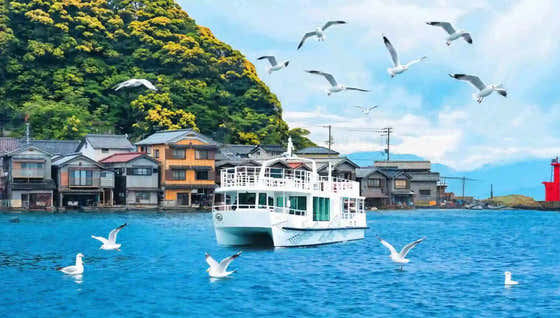
In Ine Funaya, the main walking route runs along a narrow waterfront lined with funaya boat houses built directly above the sea, still used by local fishing families for storage and boat docking. The settlement has no central attraction zone, so most visitors simply follow the coastline at walking pace.
A small local boat service operates across Ine Bay, offering short rides between clusters of boat houses and providing a closer view of the residential shoreline built at sea level.
Amanohashidate Scenic Area

From Ine, the route continues to Amanohashidate, one of Japan’s most famous scenic viewpoints.
At Kasamatsu Park, visitors take a cable car or chairlift up to the observation platform overlooking the sandbar stretching across the bay.

Many visitors use the traditional Matanozoki viewing technique, where the landscape is viewed upside down by bending forward and looking through the legs.
After descending, the sandbar can be crossed on foot via a pine-lined path connecting both sides of the bay. At the entrance, a rotating bridge opens periodically to allow boats to pass through.

¥426.00
¥365.00
Why Kyoto Takes Longer Than You Think

Kyoto is much less transport-efficient than Tokyo. Many key attractions rely on buses rather than a dense subway system.
During peak seasons like cherry blossom and autumn foliage, road congestion can significantly increase travel time between districts.
Consider using an IC Card (Suica/ICOCA) or the Subway-Bus One-Day Pass to simplify transfers and avoid time lost on cash payments or ticket handling.
That’s why it’s usually better to group attractions by area instead of crossing the entire city multiple times in one day.
4 Days in Kyoto (or More)
If you have more than four days in Kyoto, the itinerary naturally shifts from fixed sightseeing routes to slower exploration and regional day trips.
Kyoto City Exploration
- Nijō Castle: Former shogun residence featuring wooden corridors and “nightingale floors” designed to chirp when walked on as a security mechanism.
- Gion & Higashiyama: Traditional wooden districts with narrow lanes, small temples, and preserved streets ideal for slow walking exploration.

Regional Day Trips

Katsuo-ji (Osaka Mountains): A hillside temple complex known for thousands of red daruma dolls symbolizing luck and goal setting, reached via a short forest approach.
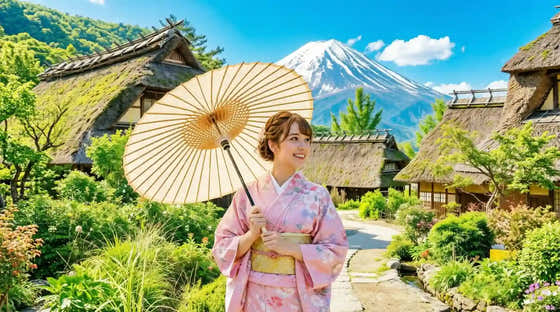
Miyama Village: Rural settlement north of Kyoto featuring preserved thatched-roof farmhouses (kayabuki) spread across quiet agricultural landscapes. Many visitors combine it with Amanohashidate as a day trip.

¥447.00
¥356.00
Where to Stay: Kyoto or Osaka?

- Stay in Osaka if: you like the energy of a bigger city—night views, food, shopping, that kind of vibe. A lot of people base themselves in Osaka and just set aside a day or two for Kyoto. It works well, especially since most day tours (including ours) can depart from and return to either Osaka or Kyoto, so you don’t have to worry about switching hotels.
- Stay in Kyoto if: you’re more into the slower, more traditional side of things and plan to spend most of your time exploring temples, old streets, and different neighborhoods in Kyoto. It’s quieter overall, and honestly just more convenient if Kyoto is your main focus—you can take it easier in the mornings and not feel like you have to commute in every day.
Practical FAQs for Kyoto Travel
Q: Do I need a JR Pass for Kyoto trips?
No. Most Kyoto travel uses local buses and short train rides, so an IC card like ICOCA or Suica is usually enough.
Q: How far is Nara from Kyoto?
Nara is approximately 45–60 minutes from Kyoto by train or guided bus route depending on transfer options.
Q: Is Amanohashidate worth visiting from Kyoto?
Yes, but it requires a full-day trip due to its distance and slower regional transport connections.
Q: Is Kyoto easy to explore without a tour?
Yes for single-area days, but multi-location routes like Fushimi Inari + Nara + Arashiyama are easier with structured transport planning or guided tours.
Q: What is the best way to get around Kyoto?
Kyoto relies mainly on buses, and IC cards such as ICOCA or Suica are commonly used for convenience.
Q: Is a guided day tour worth it?
If you want to cover multiple areas in one day, yes. It saves a lot of time on transport and keeps the day simple and efficient.